MultiVitamin Blog




The Benefits of Taking Iron Supplements and How To Choose The Right One
Iron is an essential mineral that is required for many bodily functions, including the production of red blood cells and the transportation of oxygen throughout the body. Iron deficiency can lead to anemia, fatigue, weakness, and impaired immune function. While iron is found in many foods, including red meat, beans, and leafy greens, some people may not be getting enough from their diet alone. In such cases, iron supplements can be a beneficial addition to their routine.
Here are some of the benefits of taking iron supplements:
Increased energy levels: Iron is necessary for the production of hemoglobin, a protein in red blood cells that carries oxygen throughout the body. When there is not enough iron in the body, it can lead to low energy levels and feelings of fatigue. Taking iron supplements can help boost energy levels and combat fatigue.
Improved athletic performance: Iron is important for maintaining good physical endurance and athletic performance. Athletes and individuals who engage in regular exercise may benefit from iron supplements to support their energy levels and prevent fatigue.
Better cognitive function: Iron is also essential for cognitive function and brain health. Studies have shown that iron supplements can improve cognitive function, memory, and learning abilities.
Support for immune function: Iron plays a critical role in the immune system by helping to produce white blood cells that fight infections and disease. Taking iron supplements can help support the immune system and reduce the risk of infection.
When it comes to choosing the right iron supplement, there are a few things to keep in mind. Here are some tips:
Consider your individual needs: The amount of iron you need will depend on your age, gender, and overall health. It is important to talk to your healthcare provider to determine the right dosage for you.
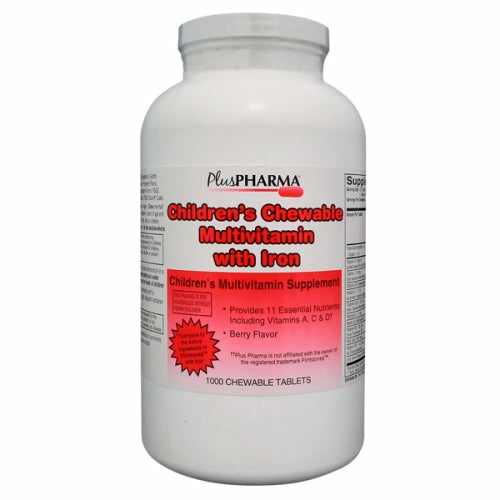
Choose the right form: Iron supplements come in a variety of forms, including tablets, capsules, and liquids. Some people may prefer one form over another based on their individual preferences.
Look for quality: When choosing an iron supplement, look for a reputable brand that is known for producing high-quality products. Check for certifications and third-party testing to ensure the supplement is safe and effective.
Avoid interactions: Iron supplements can interact with certain medications, such as antibiotics and antacids. Be sure to talk to your healthcare provider about any potential interactions before starting an iron supplement.
In conclusion, taking iron supplements can provide many benefits for individuals who may not be getting enough iron from their diet alone. By choosing the right supplement and working with a healthcare provider to determine the appropriate dosage, individuals can support their energy levels, athletic performance, cognitive function, and immune system.