MultiVitamin Blog
The Ins and Outs of How Multivitamins Can Support Mental Health and Wellbeing During the Postpartum Period
The postpartum period can be a challenging time for new mothers. The physical and emotional changes that come with having a baby can leave women feeling drained, overwhelmed, and stressed. It’s not uncommon for women to experience postpartum depression or anxiety, which can make it difficult to care for themselves and their newborns. While there is no magic cure for postpartum mental health issues, there are steps that new mothers can take to support their mental well-being during this time. One such step is taking multivitamins.
Multivitamins are supplements that contain a combination of vitamins and minerals. They are often marketed as a way to support overall health and well-being, but they can also play a role in supporting mental health. Here are some of the ways that multivitamins can support mental health and well-being during the postpartum period:
They can help to address nutrient deficiencies: Many women experience nutrient deficiencies during and after pregnancy. This can happen for a variety of reasons, including a lack of access to nutritious food, morning sickness that makes it difficult to eat, or a higher demand for certain nutrients during pregnancy and breastfeeding. Nutrient deficiencies can have a negative impact on mental health, as many vitamins and minerals play a role in brain function and mood regulation. Taking a multivitamin can help to address nutrient deficiencies and support optimal mental health.
They can support healthy brain function: The brain is one of the most nutrient-hungry organs in the body. It requires a steady supply of vitamins and minerals to function properly. Many of the vitamins and minerals found in multivitamins play a role in brain function and mood regulation. For example, B vitamins are essential for the production of neurotransmitters, which are the chemicals that help to transmit messages in the brain. Vitamin D has been linked to improved mood and cognitive function, while magnesium is important for relaxation and stress management. By taking a multivitamin, new mothers can support healthy brain function and promote better mental health.
They can support physical recovery: Giving birth is a physically demanding process, and it can take time for the body to recover. Multivitamins can support physical recovery by providing the body with the nutrients it needs to repair tissues and cells. This can help new mothers to feel more energized and less fatigued, which can have a positive impact on mental well-being.
They can help to reduce stress and anxiety: Stress and anxiety are common during the postpartum period. Multivitamins can help to reduce stress and anxiety by providing the body with the nutrients it needs to support healthy stress responses. For example, B vitamins are important for the production of stress hormones, while magnesium is essential for relaxation and stress management. By taking a multivitamin, new mothers can support their bodies in managing stress and anxiety.
They can support immune function: The postpartum period is a time when the immune system may be weakened, leaving new mothers more susceptible to illness. Multivitamins can support immune function by providing the body with the vitamins and minerals it needs to fight off infection and disease. This can help new mothers to stay healthy and avoid additional stressors that can impact mental health.
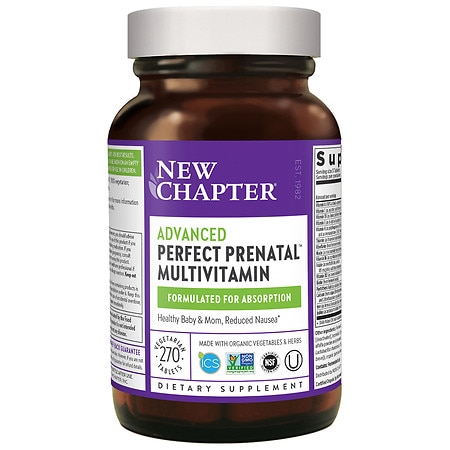
It’s important to note that while multivitamins can be helpful in supporting mental health and well-being during the postpartum period, they are not a substitute for proper medical care. If you are experiencing symptoms of postpartum depression or anxiety, it’s important to seek help from a healthcare provider. Additionally, it’s important to choose a high-quality multivitamin that is specifically formulated for women during the postpartum period. Look for a multivitamin that contains a balanced blend of vitamins and minerals, and choose a reputable brand that uses high-quality ingredients.
In conclusion, the postpartum period can be a challenging time for new mothers, both physically and mentally. While there is no single solution to addressing postpartum mental health issues, taking multivitamins can be a helpful step in supporting mental well-being. Multivitamins can help to address nutrient deficiencies, support healthy brain function, promote physical recovery, reduce stress and anxiety, and support immune function. However, it’s important to remember that multivitamins are not a substitute for proper medical care and should be used in conjunction with other strategies, such as therapy, medication, and self-care practices. As always, it’s important to consult with a healthcare provider before starting any new supplement regimen. By taking a proactive approach to mental health during the postpartum period, new mothers can support their own well-being and provide the best possible care for their newborns.